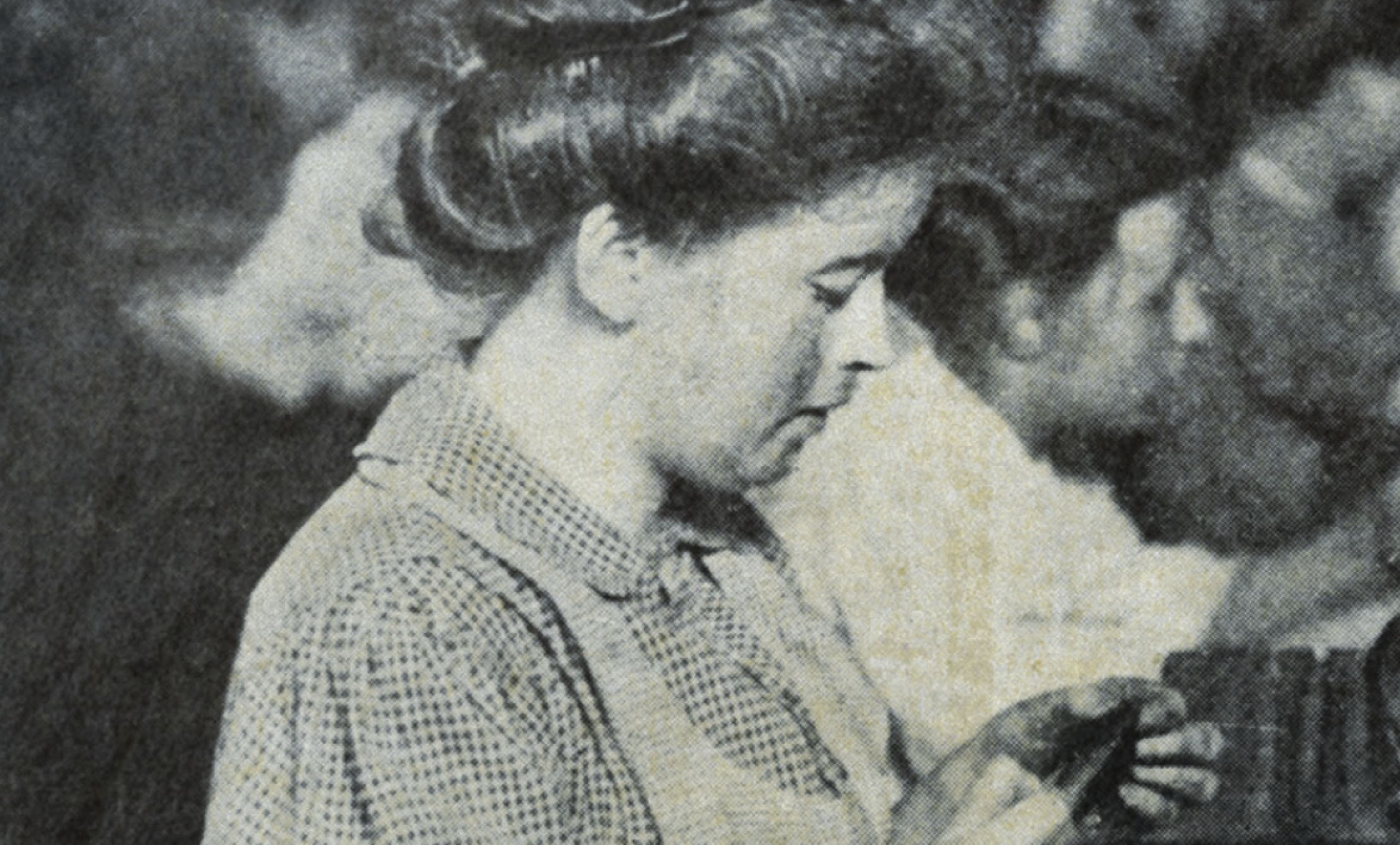
Japanese pop-culture icon Tetsuko Kuroyanagi, whose bestselling autobiography ‘Totto-chan: The Little Girl at the Window’, first published in 1981, did as much as any book to set the tone for Japan’s postwar culture, has now published her long-awaited sequel to that memoir. The original installment, ‘Totto-chan: The Little Girl at the Window’, which chronicled the writer’s Tokyo childhood and eclectic school life in the run-up to World War II, quickly soared past all previous publishing records in Japan; by the end of 1982, it had become the bestselling book in the country’s history, a distinction it maintains with over 8 million domestic sales to date.
A true international phenomenon, (the New York Times described Kuroyanagi as “a trailblazing woman in an overwhelmingly male environment”) it has gone on to sell an astounding, Guinness World Record-breaking 26 million copies worldwide in dozens of languages. Now, over four decades later, Kodansha USA will release the first-ever English translation of Kuroyanagi’s recently published and eagerly anticipated follow-up, ‘Totto-chan, the Little Girl at the Window: The Sequel’, translated by Yuki Tejima.
“I’m excited to share that my memoir, ‘Totto-chan, the Little Girl at the Window: The Sequel’, will soon be released in English,” said author and cultural icon, Tetsuko Kuroyanagi in a press release. “It has been over forty years in the making and I put my whole heart and soul into it. I hope you all enjoy it.”
The title comes from the nickname Kuroyanagi has growing up, a she couldn’t say “Tetsuko” as a young child. She would call herself “Totto” instead, as it was easier to pronounce. As she grew older, she became known by most people as “Tetsuko-chan” but her father continued to call her by her childhood nickname Totto-chan, which was a great reminder of her younger years and a perfect fit for her memoir.

Kuroyanagi ended her original, seminal memoir with a heartbreaking scene in which her beloved elementary school, Tomoe Gakuen, burned down amidst the air raids of World War II. ‘Totto-chan, the Little Girl at the Window: The Sequel’ begins with her family’s frantic effort to escape Tokyo and the worst horrors of the war.
In it, Kuroyanagi details how little Totto persevered through starvation and suffering to become a trailblazing actress, a champion for the deaf and children the world over, and one of the most successful entertainers in Japanese history. Now in her nineties, Tetsuko Kuroyanagi has said of her motivation for penning The Sequel, “I wanted to write about the war while I still remember it.”
Already an established literary classic, ‘Totto-chan: The Little Girl at the Window’ reached a new generation in 2023 with the release of an anime film adaptation of the story. The critically lauded picture was produced and animated by Shin-Ei Animation, distributed by TOHO, and directed by Shinnosuke Yakuwa, Yuta Kanbe, and Kunio Kato, with Liliana Ono in the leading role as Totto-chan.
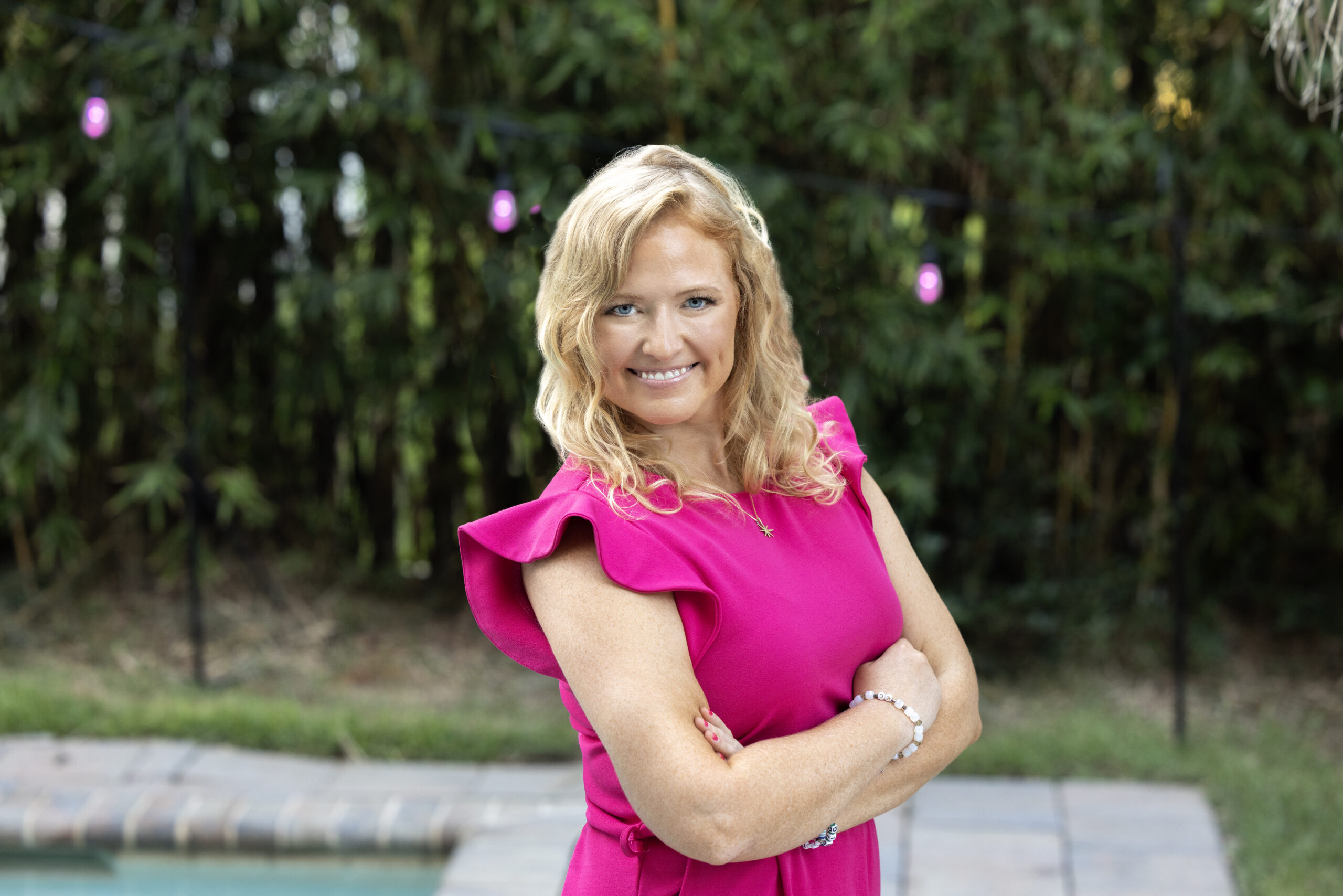
To commemorate this long-awaited release, Kodansha USA celebrated the launch of the sequel with a series of book signings and discussions with translator Yuki Tejima in New York City late November. We had the chance to speak with Yuki about her role in Kuroyanagi’s sequel, how the original book impacted her own life growing up, and what she hopes U.S. audiences will love most about ‘Totto-chan, the Little Girl at the Window: The Sequel’.

When did you first discover Tetsuko Kuroyanagi’s work, and what did you love most about it?
Tetsuko Kuroyanagi is an icon in Japan and was a legend in my household growing up, as my mother has been a lifelong fan of hers. I love the way that Tetsuko-san is completely herself when approaching her work, which I believe is why people open up as they do in her presence.
To now be working on her iconic ‘Totto-chan’ sequel, what does this mean for you today?
It has been both thrilling and terrifying in a can-I-do-it-justice kind of way. I never imagined that I would be asked to translate this tremendous memoir.
For new fans who will get to read the English translation for the first time, what do you hope they will be captivated by the most form Tetsuko’s story?
This is the story of a girl who was told she didn’t fit in anywhere, and she turned her ‘quirks’ into an incomparable career. She continues to work and inspire people today in her nineties, and translating this story moved and inspired me in real-time.
Although the story is focused on WWII, why is this story so important today and even relevant to what is currently happening in the world?
This is a story set in a specific time, but what is more important is that it is about a woman who has adapted to the shifting times without changing who she is. Anybody who has ever doubted their talents and skills, wondered how to turn their strengths into a meaningful career, will find clues in this story on how to do that.
Tetsuko has shared in a press statement that she wanted to write the sequel while she still remembers what happened, given she is in her nineties now. Why is it important for women to share their stories and memories with the world?
You never know who is out there waiting to hear your story. Yours may be the story that inspires another person to take that next step.


As a translator, what are the most challenging aspects of your work, and what are the most rewarding, specifically working on Tetsuko’s book?
Both the greatest challenge and reward of translation is trying to capture the voice of an author. With this book particularly, as Tetsuko Kuroyanagi has such a recognizable, physical voice. Everyone in Japan knows it and can hear it, and as translator, I felt it was important to try to deliver that voice as accurately as possible in English.
How did the anime film adaptation of her story in 2023 draw in new audiences?
Those who were not around in the early eighties to read the first book (on which the film is based) likely know who Tetsuko Kuroyanagi is, but may not be familiar with her astonishing personal story. The film adaptation is tremendously enjoyable without having read the book first, and those who were moved might then seek out the book, which is even more detailed and thrilling.
Can you tell us a bit about the recent signing events in NYC? What was the reaction from audiences and fans?
I met a woman from Australia during the week of events who happened to pick up the first Totto-chan book in an airport a month ago, and who was so moved by it that she flew all the way to New York City to attend all of the events! It is incredible to hear of the impact that Tetsuko Kuroyanagi continues to have with these books.
Can you tell us more about Tetsuko Kuroyanagi’s cultural legacy, both in Japan and in the States, and what excites you the most about being part of this?
As a literary translator, people who don’t spend every waking minute reading books often don’t recognize the authors or titles I have worked on. But when I tell them that I had the joy of translating Tetsuko Kuroyanagi’s book, their eyes go wide. Everyone from my friends and family to my yoga teacher, my local butcher to the flight attendant on the flight over. I don’t know that there is anyone else in Japan, except maybe Shohei Ohtani at the moment, who I can say that about.
What do you hope young readers, especially young girls, will love most about ‘Totto-chan’ when they read your translation for the first time?
I hope they will find that the things that make them feel different, the things they feel they want to hide, could be the very qualities that make them special and unparalleled. Nobody could change who Tetsuko Kuroyanagi was as a child, nor did she alter herself to fit anyone’s definition of who she was, which is how she became the icon she is today.
Be sure to get your copy of ‘Totto-chan, the Little Girl at the Window: The Sequel’, and if you haven’t already read it, grab a copy of the original memoir while you are on the Kodansha website. Follow Yuki Tejima on Instagram, as well as the iconic Tetsuko Kuroyanagi herself!