Life rarely stays still for long. Careers evolve, relationships change, and personal priorities shift in ways that often require more space than a home can comfortably offer. During these moments, solutions like storage containers sacramento can quietly support a more intentional approach to living, one that prioritizes clarity, autonomy, and emotional balance rather than constant adjustment.
When personal growth challenges physical space
Personal development often comes with tangible changes. New projects, lifestyle shifts, or the decision to reclaim time and energy can bring an unexpected accumulation of belongings. Books, equipment, personal archives, or items tied to past phases of life may no longer fit neatly into daily routines, yet they still hold value.
When space becomes saturated, growth can feel constrained. The home reflects every version of who someone has been, rather than supporting who they are becoming. Creating distance between current priorities and past chapters allows space to evolve alongside identity, rather than anchoring it in outdated patterns.
Letting go without rushing closure
There is often pressure to declutter decisively, as if every object must be judged immediately. This expectation can be emotionally exhausting, especially when belongings are tied to memories, relationships, or former goals.
External storage offers an alternative to all or nothing decisions. It creates a pause between holding on and letting go, allowing time for reflection without visual overwhelm. This gentler approach respects emotional processes while still restoring calm and order to everyday living spaces.
Reclaiming the home as a place of support
A home should feel like a refuge, not a reminder of unfinished decisions. When rooms are crowded with items waiting to be sorted, the emotional tone of the space shifts subtly but persistently.
Removing non essential belongings helps restore the home’s supportive role. Spaces feel more open, calmer, and easier to maintain. This clarity reinforces a sense of agency, making the home a place where rest, reflection, and confidence can grow rather than compete with background stress.
Navigating independence and change
Periods of independence often coincide with spatial change. Moving forward after a breakup, redefining personal boundaries, or restructuring daily routines can all impact how space is used and perceived.
During these transitions, flexibility matters more than permanence. Having the option to store belongings outside the home allows living spaces to adapt quickly without forcing irreversible choices. The environment becomes responsive, mirroring personal momentum instead of resisting it.
Making room for creative and professional ambitions
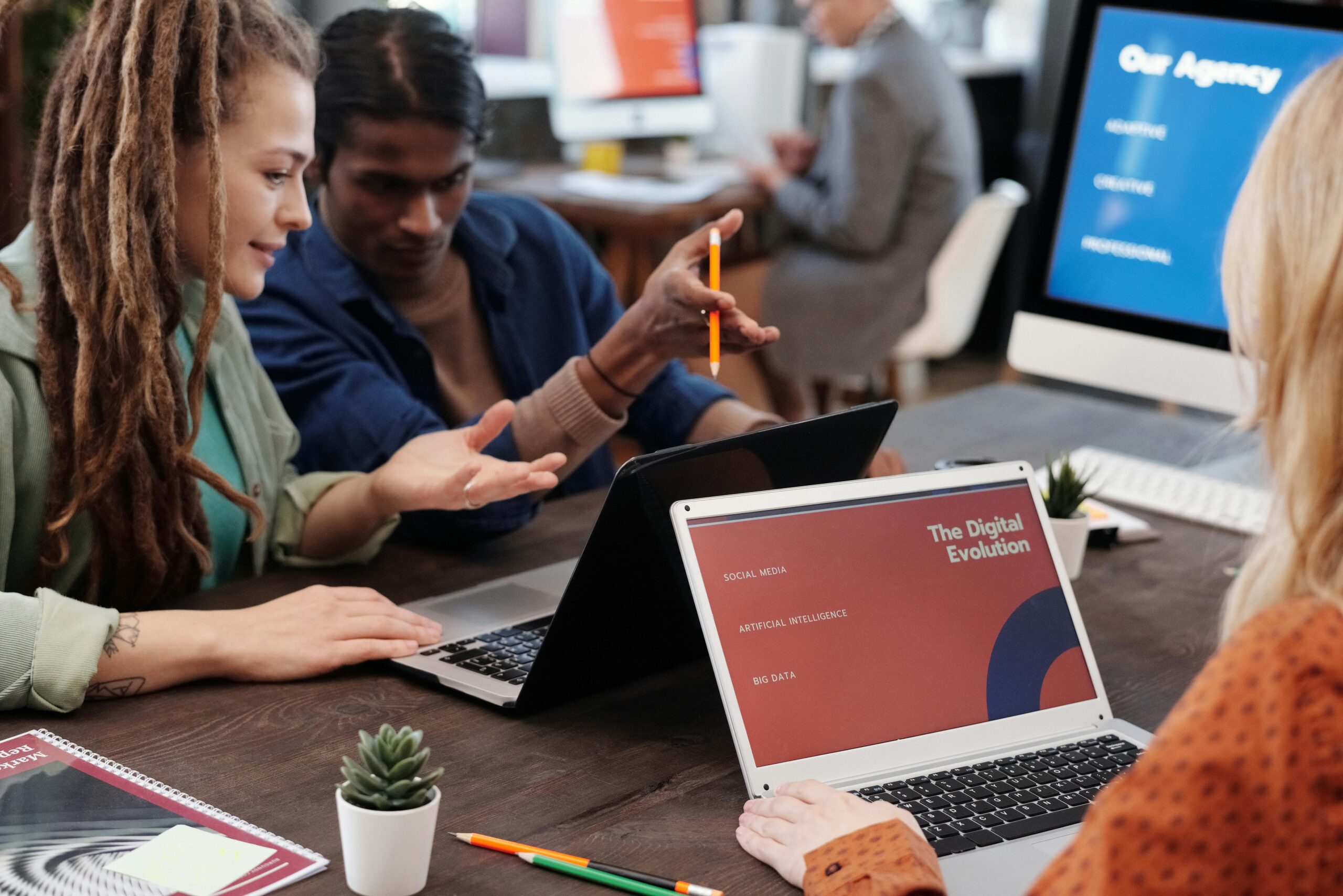
Creative and professional pursuits frequently demand physical space. Writing, launching a project, building a brand, or exploring new skills often introduces materials and tools that disrupt existing organization.
By separating active workspaces from long term storage, focus improves. The home supports ambition rather than distracting from it. This separation helps maintain momentum while preventing creative energy from being buried under logistical challenges.
Reducing emotional labor at home
Household management often includes invisible emotional labor. Constantly reorganizing, negotiating space, or feeling responsible for clutter can quietly drain energy.
Simplifying the environment reduces this burden. When fewer items compete for attention, decisions become easier and routines lighter. Storage becomes a tool for self preservation, freeing mental space for relationships, rest, and personal growth.
Allowing space to reflect current values
Homes often tell stories about priorities. When every surface is occupied, it becomes harder to distinguish what truly matters now.
Clearing space allows intention to surface. Rooms reflect present values rather than accumulated history. This alignment reinforces confidence and self direction, making daily life feel more coherent and grounded.
A softer approach to organization
Choosing compassion over control
Organization does not need to be rigid or performative. It can be compassionate, adaptable, and deeply personal. Allowing items to step out of sight without judgment creates room for emotional clarity.
Honoring transitions without pressure
Not every transition needs immediate resolution. By creating space externally, the home becomes a place where change is supported rather than rushed.
Creating space for the next chapter
Life moves in cycles, not straight lines. Belongings often lag behind personal evolution, creating tension between who someone was and who they are becoming. Thoughtful storage helps bridge that gap.
By managing space intentionally, the home transforms into a foundation for growth rather than a container for the past. It becomes a place where clarity, confidence, and new possibilities can take root, supported quietly by systems that respect both emotional and practical needs.