By Selena Daley
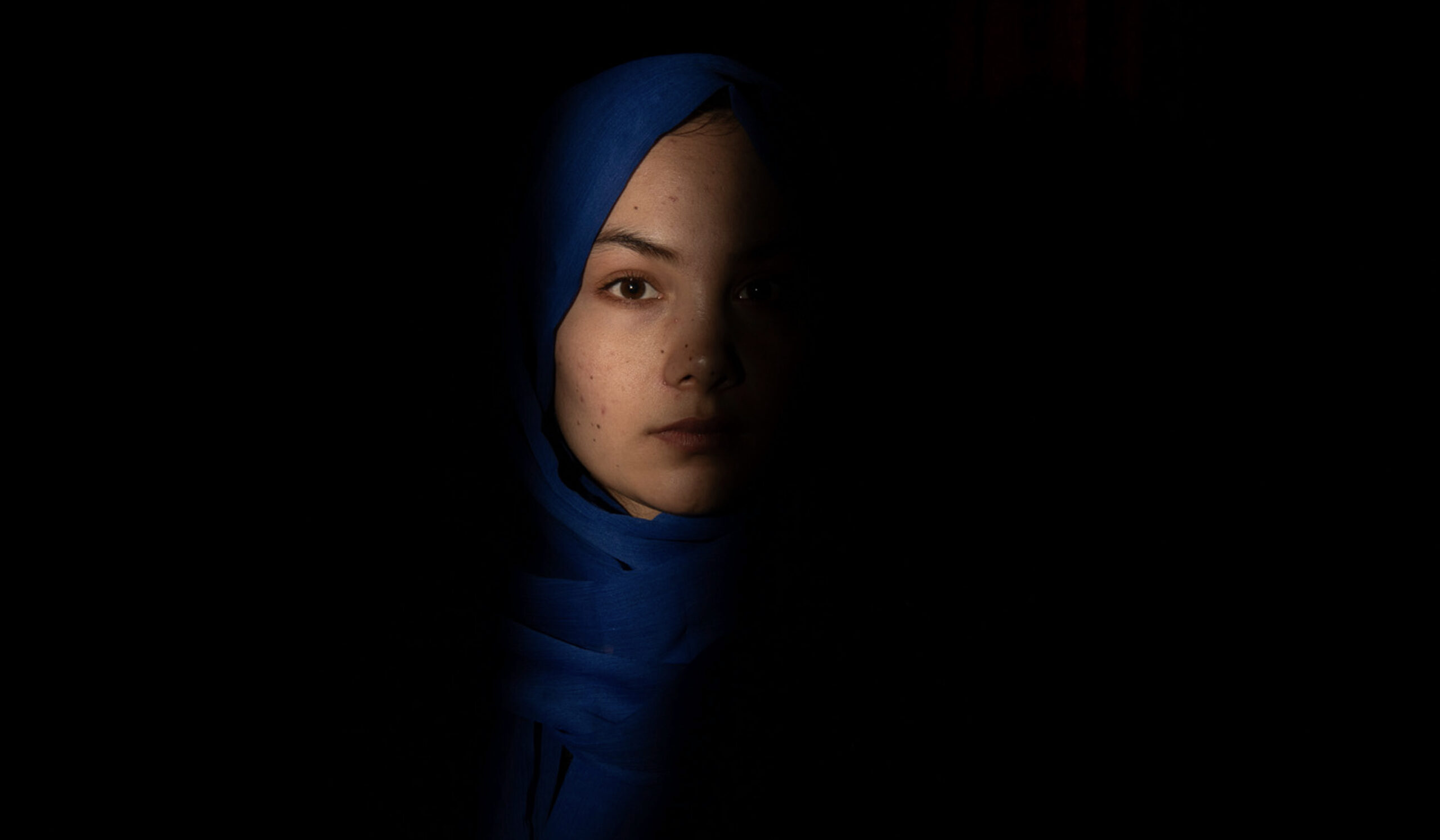
I was born into two different worlds, both I never fully fit into. One was a world of privilege and power, but as someone with a darker skin color, I wasn’t truly considered a part of it. Another was a world where hardship was the reality, but so was joy, pride, and resilience. I experienced firsthand the struggles that come with a Black woman in America, but also because of where I grew up, I never experienced the joy.
As a mixed woman in America, my struggle went unrecognized. I understood why. For years, monoracial people and darker skinned people had been positioned below mixed people within the Black community. Mixed people were placed closer to power, a proximity that has been historically used to divide communities rather than build them.
More than that, but the history of the mixed community during slavery was pervasive and hierarchical. I knew that mixed people could never claim our own struggles until we reckoned with the sins of our ancestors.
The one drop rule, a legal and social doctrine originating in slavery and reinforced during Jim Crow, declared that any person with even one Black ancestor was considered Black. While it may seem like this rule united people of mixed heritage, it was weaponized as a method of domination and control. It was used to prevent interracial marriages and uphold white supremacy.
Colorism is the shadow cast by the one drop rule. It’s discrimination by skin tone, ingrained even in communities of color. It’s a hierarchy that privileges lighter skin, straighter hair, and Eurocentric features.
One of the most painful symbols of colorism is the paper bag test. Employed in Black communities during segregation, this practice used the comparison of the color of a paper bag as means for social inclusion. Those who were lighter skinned had access to certain schools, social clubs, or the right to marry into certain families. Those whose skin was darker were excluded.

It started as a way for Black people to try and navigate and resist oppression by creating their own structures. It soon turned into a system that perpetuated division, pain, and lasting consequences.
Today, Eurocentric beauty standards tell girls of color that straight hair, light skin and certain facial features are ideal. These standards don’t just damage self-worth, they also shape how society perceives us. They create a trap: sometimes you don’t look enough like your race; other times you’re told you’re “too much” or “too ethnic”.
The Blue Vein society illustrates colorism’s reach perfectly. Founded by wealthy, mixed race people in Charleston, South Carolina, membership required holding up arms to the light to reveal “blue veins”, proving you were light enough.
This society was a stark reminder of just how ingrained colorism was within a community meant to embrace the beauty of our skin. It’s a painful reminder of how the sins of mixed people’s ancestors continue to shape our current legacy.
In 2025, I started an organization called Sisterbridge with these truths guiding me. Sisterbridge is an organization for mixed-race teen girls of any racial background; girls who felt the pressure growing up to choose between worlds. Girls called slurs at white family dinners. Girls bullied for being too white at the other side’s cookouts.
@sisterbridge
But Sisterbridge extends beyond our internal struggles. It’s for the Black community, the Asian community, and the Hispanic community. It’s for everyone harmed by the colorist notions that still haunt our societies.
Most of all, Sisterbridge is about healing and unity. It’s about dismantling the colorist hierarchies and rejecting the racist standards that have divided us for centuries.
We exist to declare that the paper bag test was never a measure of worth. We’re breaking colorist standards in the Black community while centering trailblazers from Asian, Hispanic, and Pacific Islander communities. We’re rejecting the Eurocentric beauty standards that told our darker sisters they weren’t “enough” and lighter sisters that their struggles weren’t real. We’re not recreating the Blue Vein society–We’re burning it down.
Sisterbridge is more than an organization, it’s a movement towards pride, unity, and empowerment. We create safe spaces where mixed-race girls can explore their identities without judgement or pressure to choose. We facilitate thoughtful discussions about racist systems, identity, and the issues dividing our world.
Our vision is a world where mixed-race girls no longer have to choose between worlds or feel invisible. A world where we reshape our legacies and how we perceive ourselves. One where we eliminate colorism from within communities of color and embrace genuine unity.

Selena Daley is a 15 year old who is passionate about medicine, race studies, and advocacy. She is the founder of Sisterbridge, an organization for mixed race teen girls. They combine internal struggles that mixed girls have faced with the struggles our ancestors inflicted upon others, and advocate for change. They do this through a magazine where girls contribute art, writing, global discussions about race and identity, and a mentorship platform for girls ages 8-18. Follow Sisterbridge on Instagram and TikTok.